
 English
  русский
  Español
 Новости отрасли
ГЛАВНАЯ / Новости / Новости отрасли / Энергоэффективность в цементной промышленности: практические шаги по сокращению затрат на тепло и электроэнергию
На типичном цементном заводе энергия составляет 50-60% общих производственных затрат, а одна лишь тепловая энергия составляет 20-25% себестоимости производства клинкера. В мировой промышленности производство цемента потребляет около 7% всей промышленной энергии. Разрыв между лучшими и средними заводами огромен: современные линии сухого процесса с эффективными подогревателями, охладителями и вертикальными валковыми мельницами работают с производительностью около 3,0 ГДж/т клинкера и менее 95 кВтч/т цемента, в то время как старые заводы могут использовать на 30-50% больше энергии для производства того же продукта. Устранение этого разрыва не является исследовательской задачей. Это вопрос измерения того, куда уходит энергия, модернизации необходимого оборудования и ужесточения эксплуатационной дисциплины. В разделах ниже подробно описано, как это сделать, в том порядке, который обычно обеспечивает наиболее быструю окупаемость.
Контент
Самый быстрый способ снизить затраты — знать, на каком этапе процесса что потребляется. Большинство предприятий обнаруживают, что тепловая и электрическая интенсивность разделены по четким линиям, как показано в Таблице 1.
| Форма энергии | Типичная интенсивность | Где его потребляют | Типичная доля затрат на электроэнергию установки |
|---|---|---|---|
| Термальный | 3,0-4,5 ГДж/т клинкера | Подогреватель и декарбонизатор, вращающаяся печь, сушка сырья | 70-80% |
| Электрический | 90-120 кВтч/т цемента | Измельчение сырья, окончательное измельчение, вентиляторы, транспортировка и упаковка. | 20-30% |
Тепловая потребность сконцентрирована в кальцинаторной печи и вращающейся печи, где сырьевая мука нагревается и образуется клинкер при температуре около 1450°C. В электропотреблении преобладает измельчение: сырьевая мельница, угольная мельница и чистовая мельница вместе потребляют 60-70% всей электроэнергии на объекте. Как только баланс очевиден, приоритеты расставляются естественным образом. Предприятию с высокой теплоемкостью, но средней электроемкостью следует сначала отремонтировать печную линию, а не покупать новую мельницу.
Более низкая теплоемкость начинается в башне подогревателя. Пятиступенчатый циклонный предварительный нагреватель с декарбонизатором извлекает больше тепла из отходящих газов печи, чем более старая четырехступенчатая конструкция, обычно повышая температуру сырой муки до 800–860°C перед ее подачей в печь. На линии производительностью 3000 тонн в день разница часто равна измеримому снижению удельного расхода топлива, а инвестиции в дополнительную ступень предварительного нагрева часто окупаются только за счет экономии топлива.
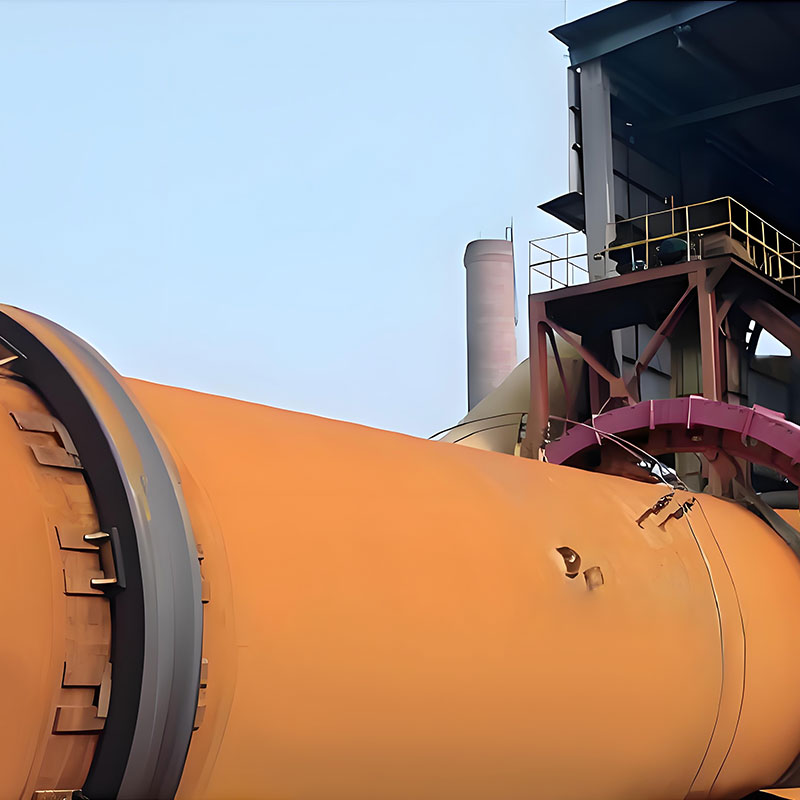
Внутри печи стабильная форма пламени, правильный уровень кислорода и ухоженный огнеупор определяют, сколько тепла сохраняется в зоне горения. Рабочие рычаги хорошо документированы: потери тепла в корпусе печи, коэффициент избытка воздуха и температура пламени оказывают прямое влияние на количество тепловой энергии. Наша заметка о как оптимизировать работу вращающейся печи для повышения эффективности производства подробно рассматривает наиболее эффективные оперативные корректировки.
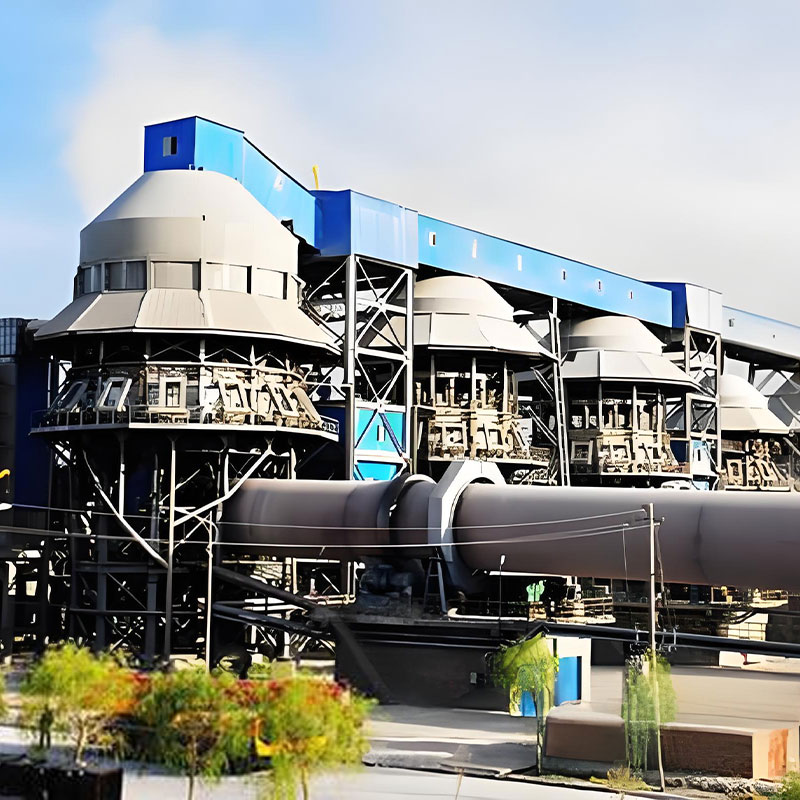
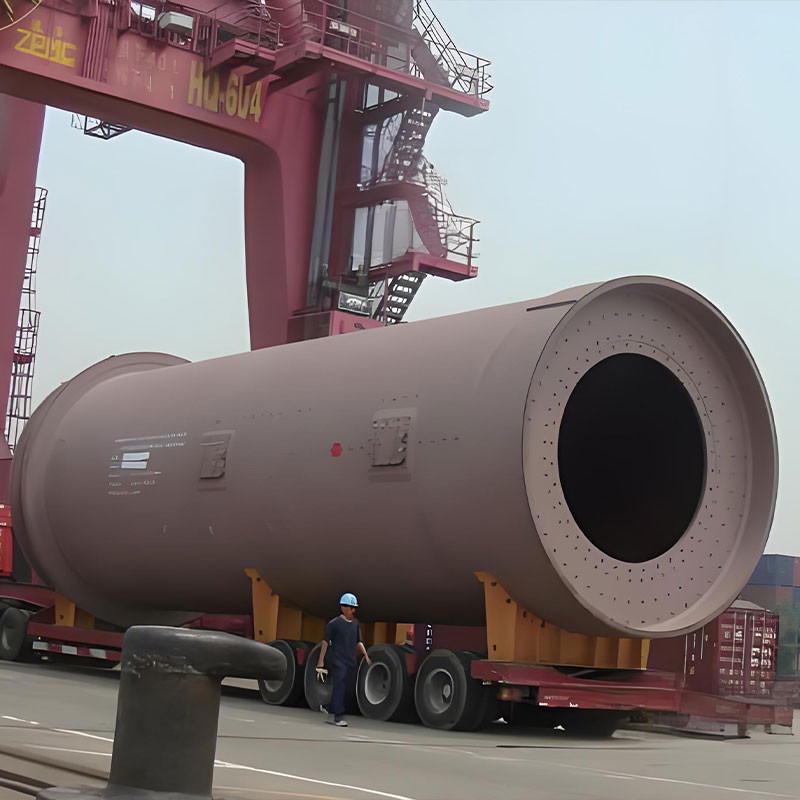
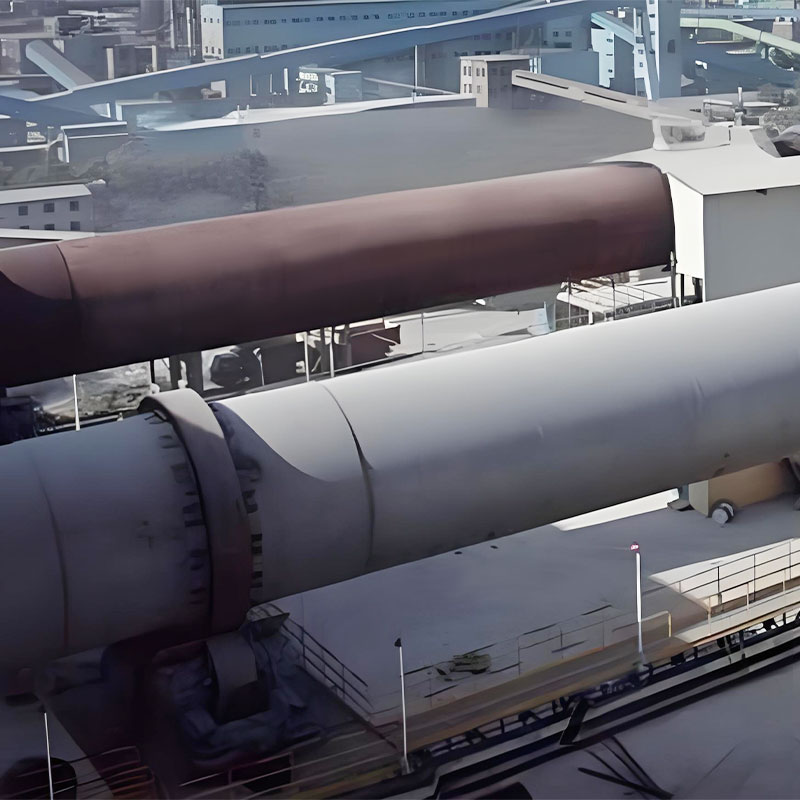
При выборе оборудования заводы, которые заменяют или модернизируют свои печные линии, обычно системы вращающихся печей, спроектированные для стабильного горения и снижения теплопотерь корпуса , потому что печь представляет собой самую большую поверхность тепловых потерь на заводе. Огнеупорный корпус, привод и конструкция горелки влияют на то, какая часть энергии топлива достигает клинкера.
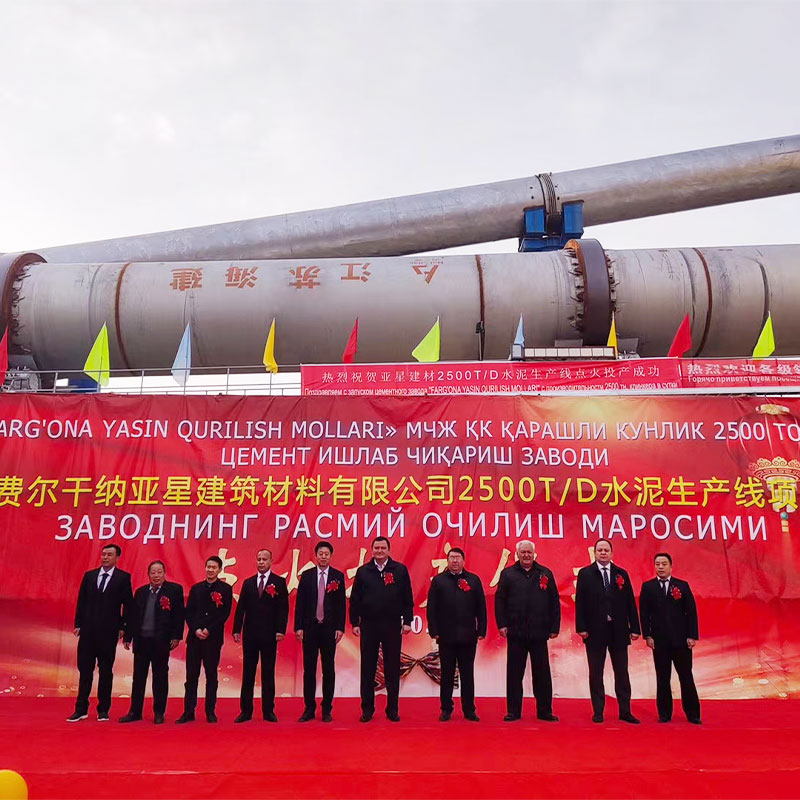 Производители вращающихся печей, Компания по изготовлению вращающихся печей на заказ Jiangsu Haijian Co., Ltd - китайские производители вращающихся печей и компания по производству вращающихся печей, специализирующаяся на производстве вращающихся печей, ... Посмотреть продукт →
 Холодильник — это следующая возможность. Современный колосниковый охладитель улавливает высокотемпературное тепло клинкера и возвращает его в печь в виде горячего вторичного и третичного воздуха, что снижает потребность в топливе. Старые охладители теряют больше тепла в окружающий воздух и производят более низкие температуры горячего воздуха, что также ослабляет стабильность пламени. Эффективность охладителя, измеряемая как скорость рекуперации тепла клинкера, является одним из наиболее прямых показателей тепловых характеристик, которые может отслеживать завод.
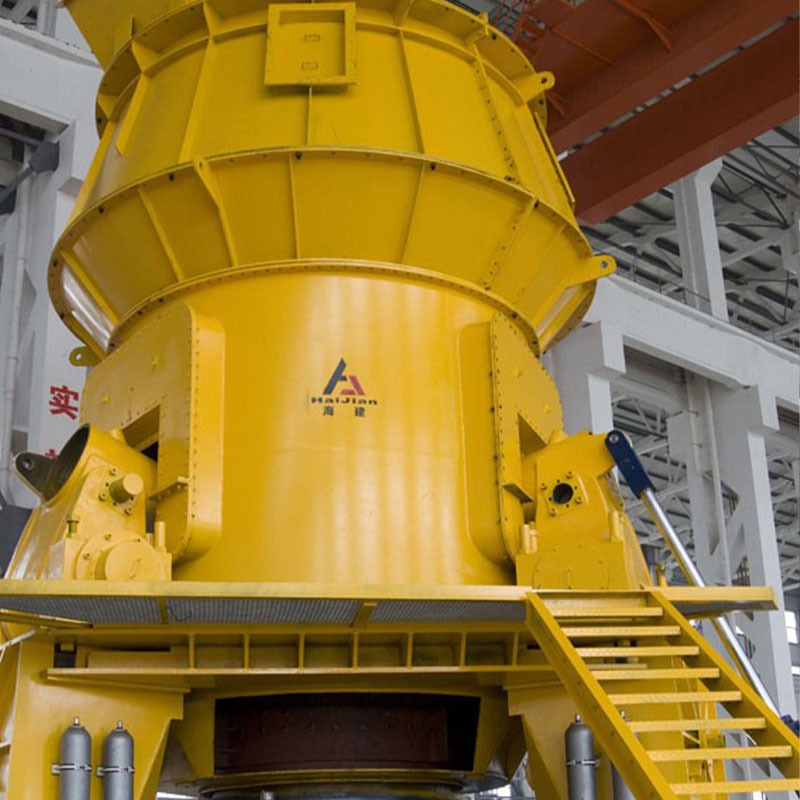
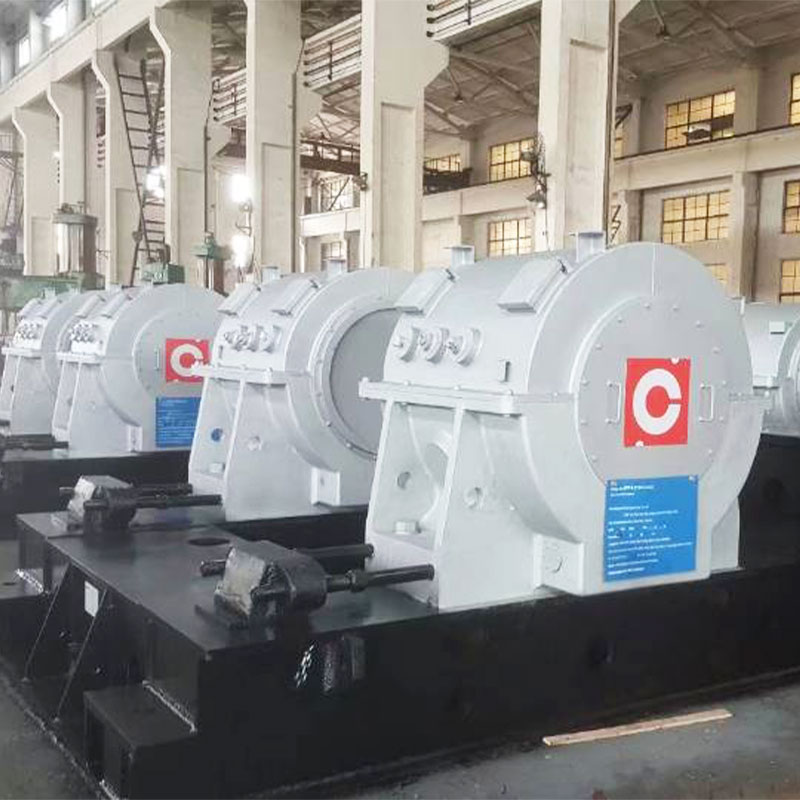
На чистовое и черновое шлифование приходится гораздо больше энергии, чем на любую другую нагрузку на площадке. Переход от традиционной шаровой мельницы к вертикальные валковые мельницы для сырья, объединяющие сушку и измельчение обычно снижает удельную электрическую энергию на подготовку сырья на 20-30%. Экономия достигается за счет трех эффектов: сама мельница измельчает более эффективно, отходящие газы печи обеспечивают тепло для сушки, а установка позволяет избежать отдельной сушилки и большой системы вентиляторов, необходимой шаровой мельнице.
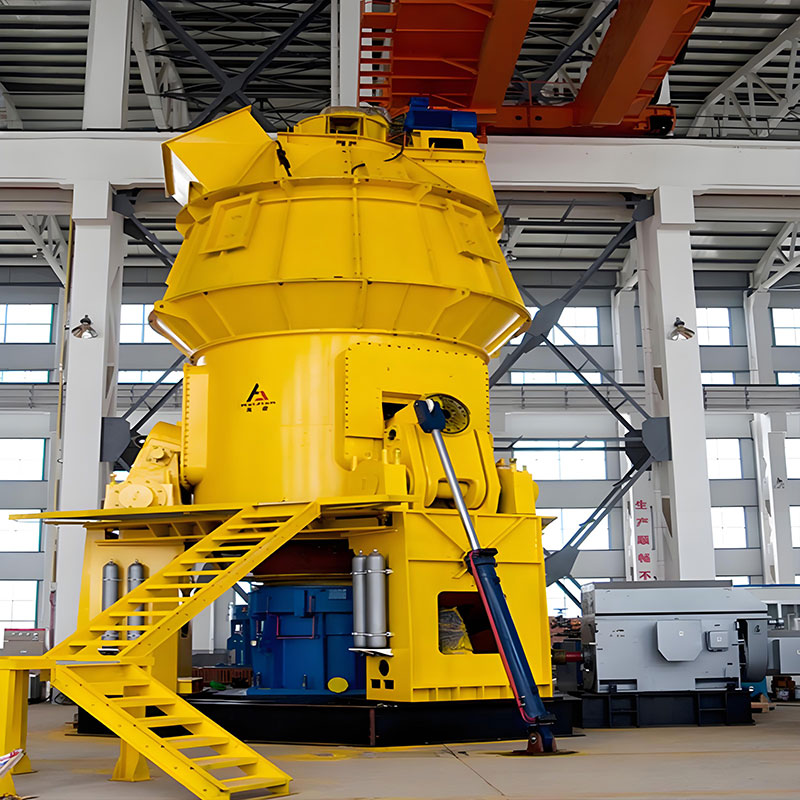 Производители сырья VRM, Компания VRM по индивидуальному заказу сырья - Jiangsu Haiji Jiangsu Haijian Co., Ltd - китайские производители сырья VRM и компания сырья VRM, настраиваемая, в качестве основного оборудования... Посмотреть продукт →
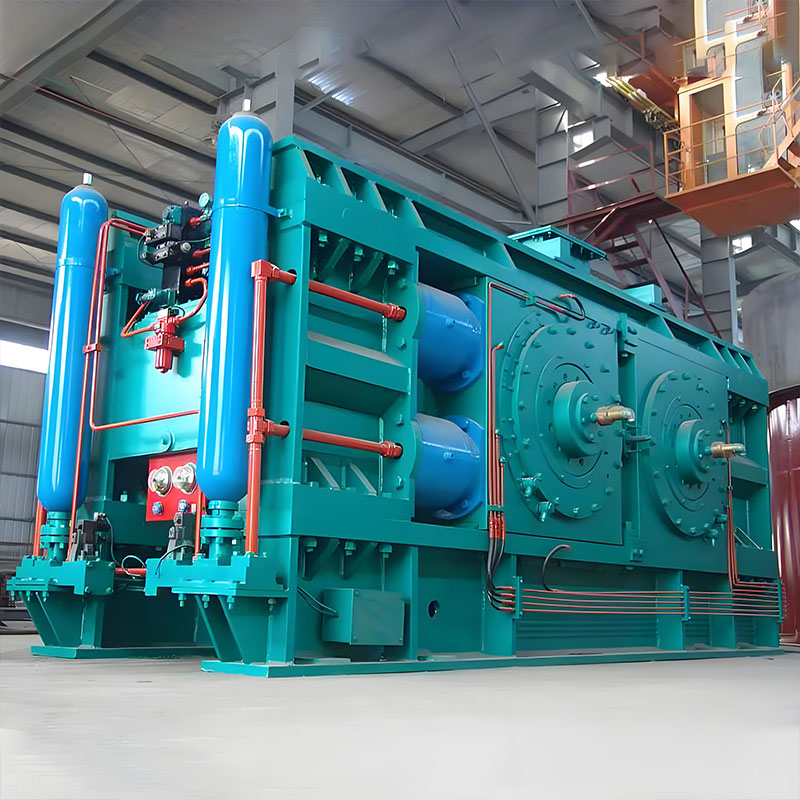
 Дополнительная экономия достигается за счет высокоэффективных сепараторов, частотно-регулируемых приводов печных и мельницных вентиляторов, а также тщательного обслуживания внутренних устройств мельниц. Финишное измельчение до высоких значений Блейна остается самой тяжелой нагрузкой, и комбинированное измельчение с помощью валковых прессов может помочь, но только тогда, когда требования к качеству цемента оправдывают дополнительную сложность. Для большинства предприятий контур измельчения сырья является лучшей первой инвестицией, поскольку он обеспечивает значительное и надежное снижение мощности с меньшим техническим риском.
После линии печи и контуров измельчения три меры системного уровня дают наибольший оставшийся выигрыш.
Эти меры взаимодействуют. Рекуперация отходящего тепла становится более привлекательной после оптимизации подогревателя, а управление процессом становится проще, когда охладитель и подогреватель работают стабильно. Порядок реализации имеет значение, поэтому на первом месте всегда должен стоять измеренный энергетический баланс.
Этап закупок определяет, какая часть теоретической экономии фактически достигает ежемесячного счета за электроэнергию. Опытные покупатели акцентируют внимание на пяти моментах.
Практический пример: заводы, которые устанавливают колосниковые охладители с улучшенной рекуперацией тепла и более высокой температурой вторичного воздуха обычно наблюдается снижение расхода топлива и выбросов NOx, поскольку более горячий вторичный воздух улучшает стабильность пламени и уменьшает избыток воздуха. Выбор оборудования многократно окупается, если гарантия является обоснованной, а не предполагаемой.
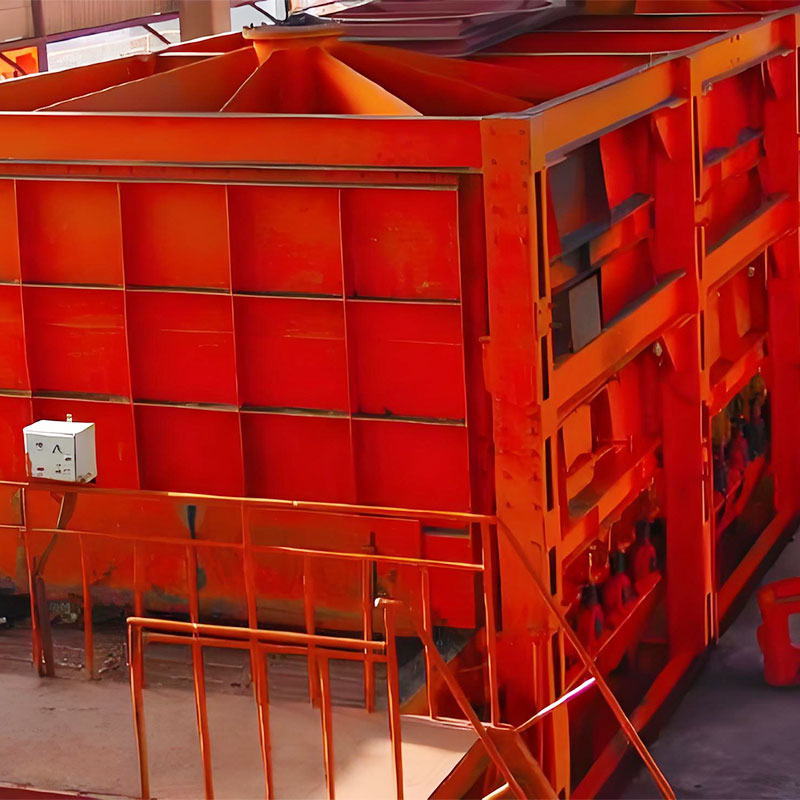 Производители решетчатых охладителей, Компания по производству решетчатых охладителей на заказ - Jiangsu Haijian Co., Компания Jiangsu Haijian Co., Ltd - китайские производители решетчатых охладителей и компания по производству решетчатых охладителей, настраиваемая, решетчатый охладитель является основным оборудованием ... Посмотреть продукт →
 Энергоэффективность в цементной промышленности — это непрерывный цикл улучшения, а не разовая покупка. Начните с измерения энергетического баланса, боритесь с тепловыми потерями в печи, сокращайте мощность измельчения с помощью современных мельниц и классификаторов и только затем добавляйте меры системного уровня, такие как рекуперация отходящего тепла. Если вы только начали этот процесс, самый простой первый шаг — это поговорите с поставщиком технологического оборудования, имеющим опыт работы на комплексных линиях по производству цемента . Экономия реальна, измерима и обычно превышает предварительную оценку.
Он сосредоточен на общем растворе системы переноса порта сухого мастера,
Исследования и разработки, производство и обслуживание