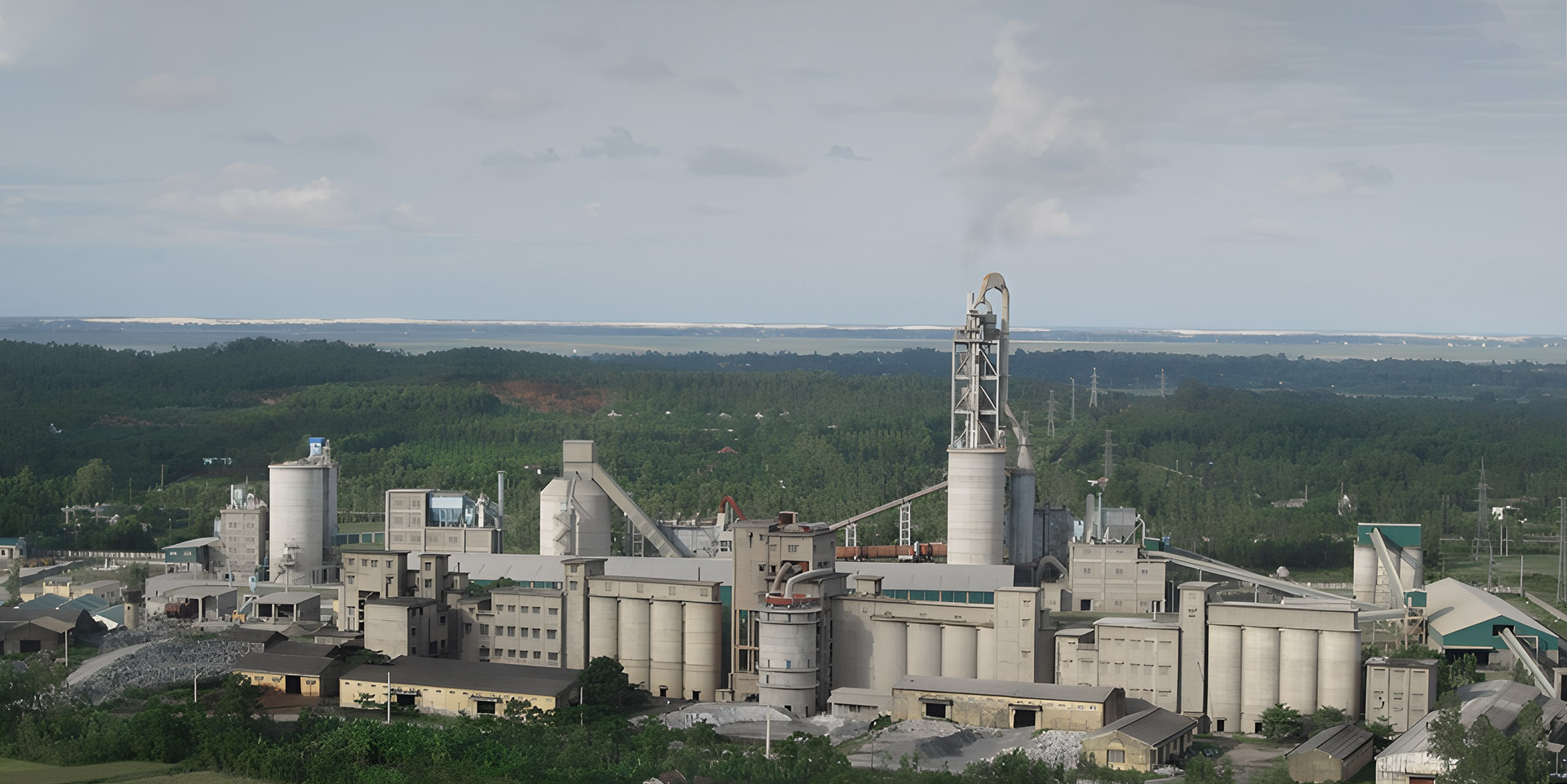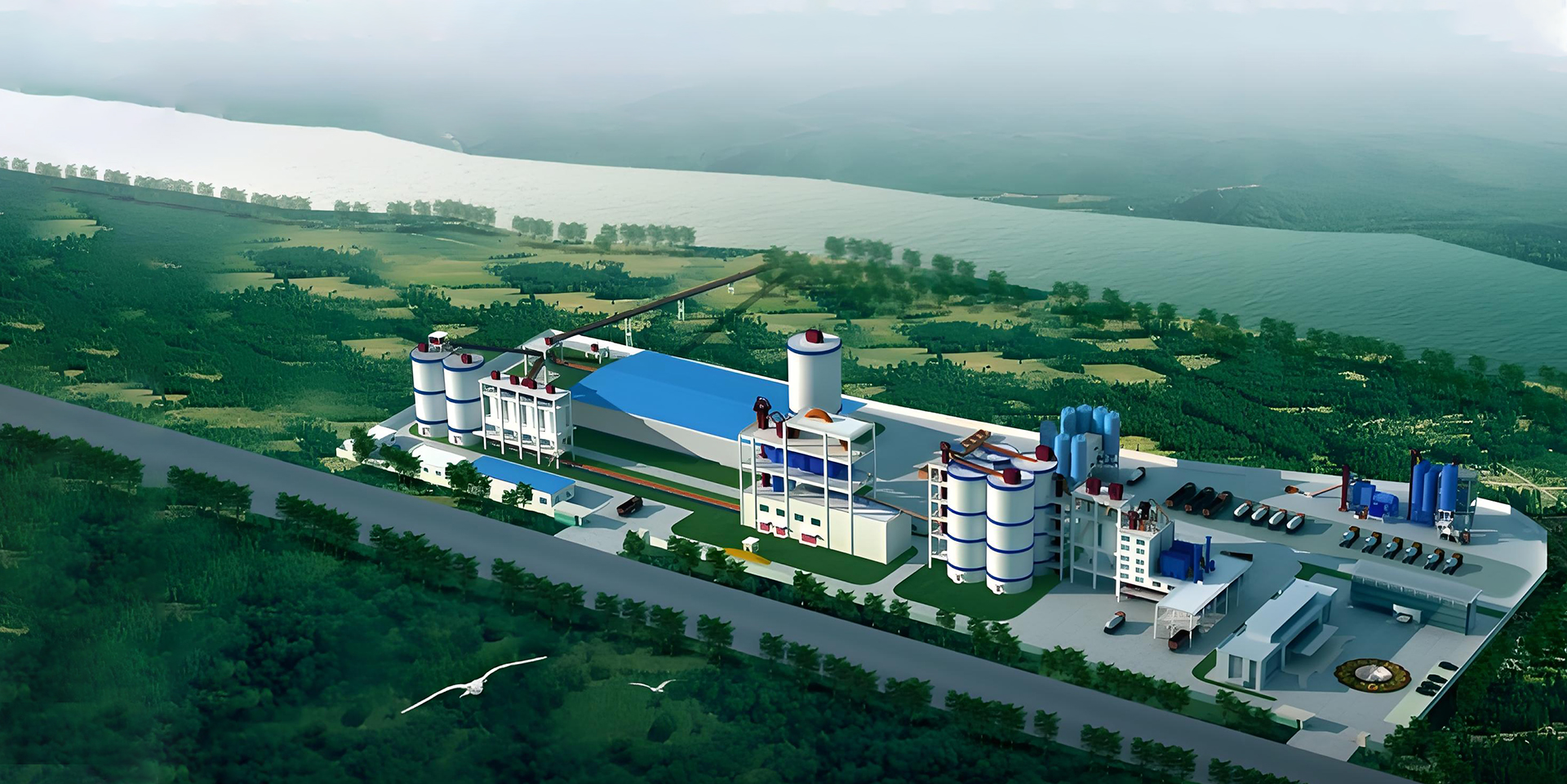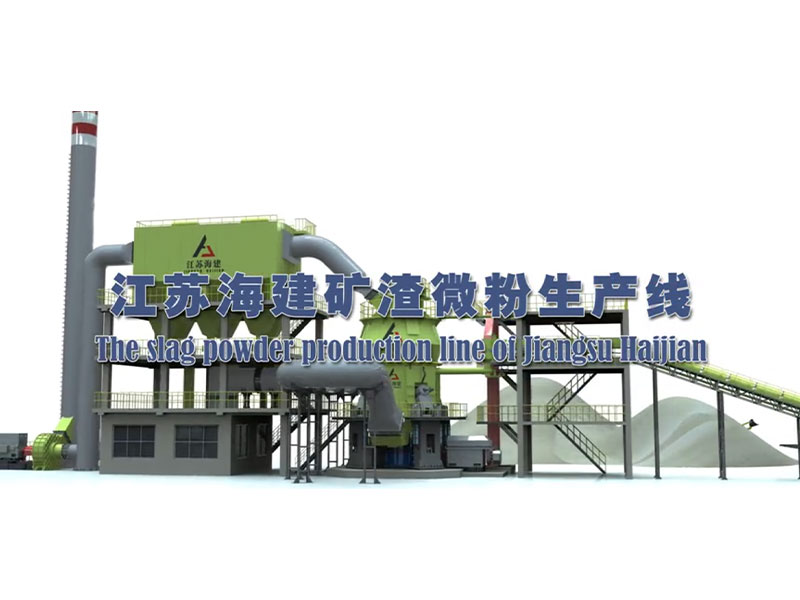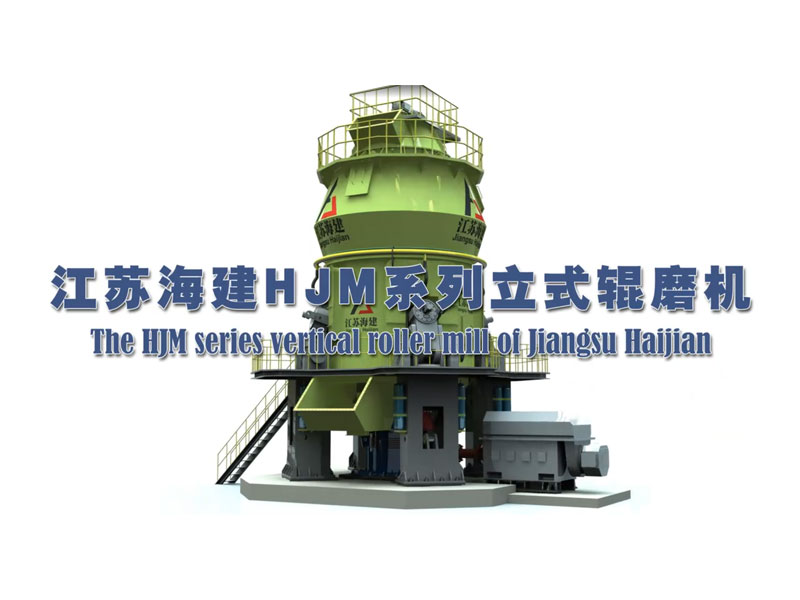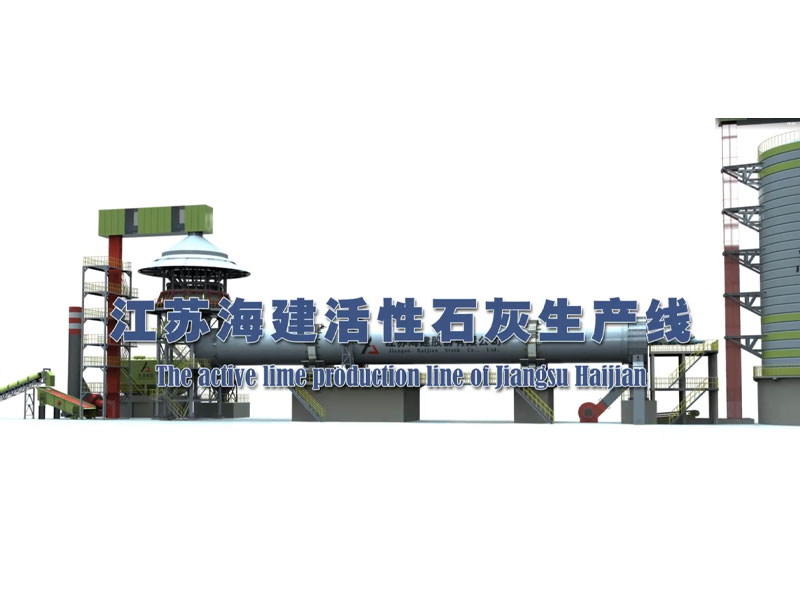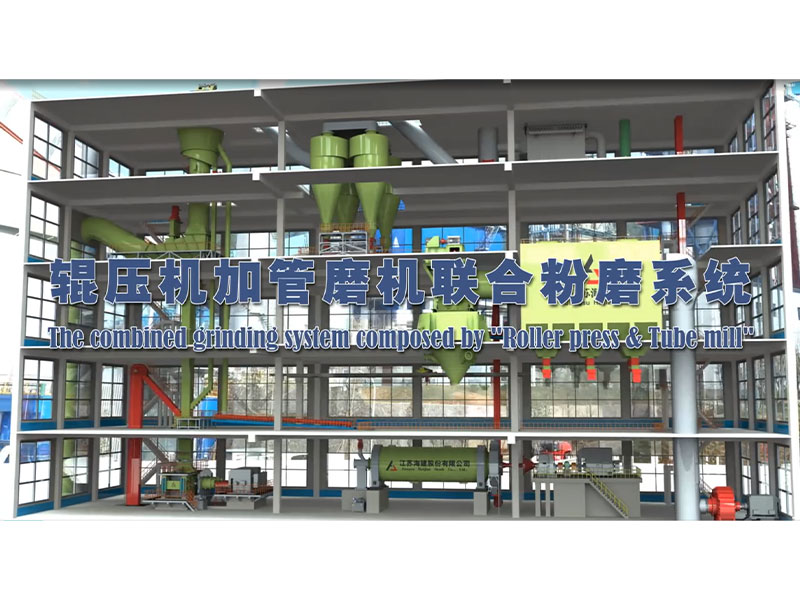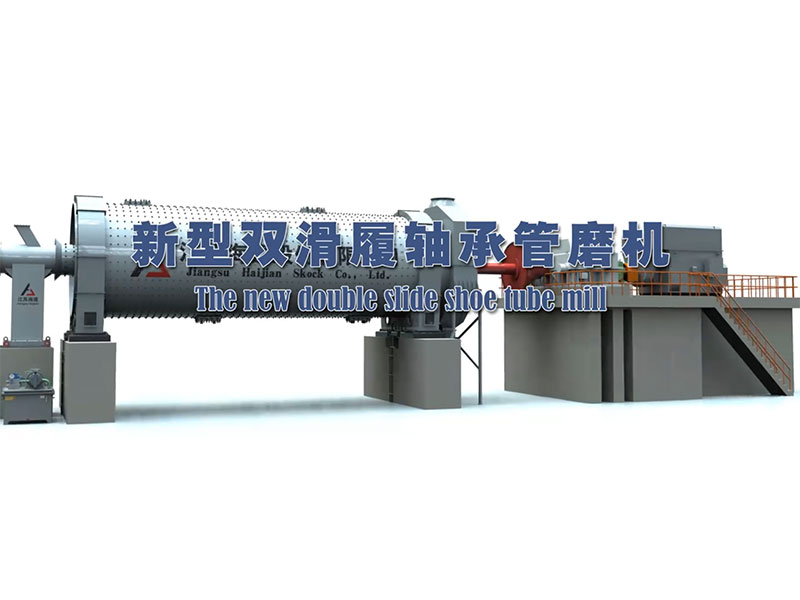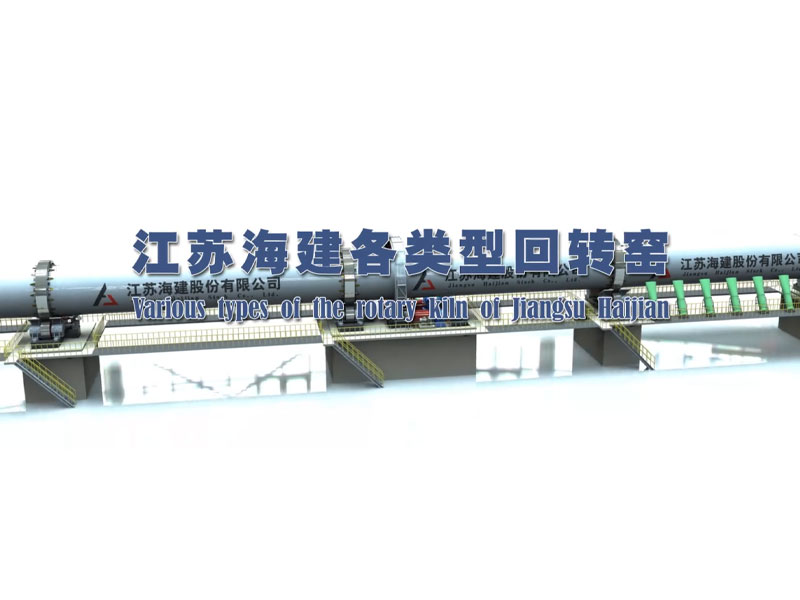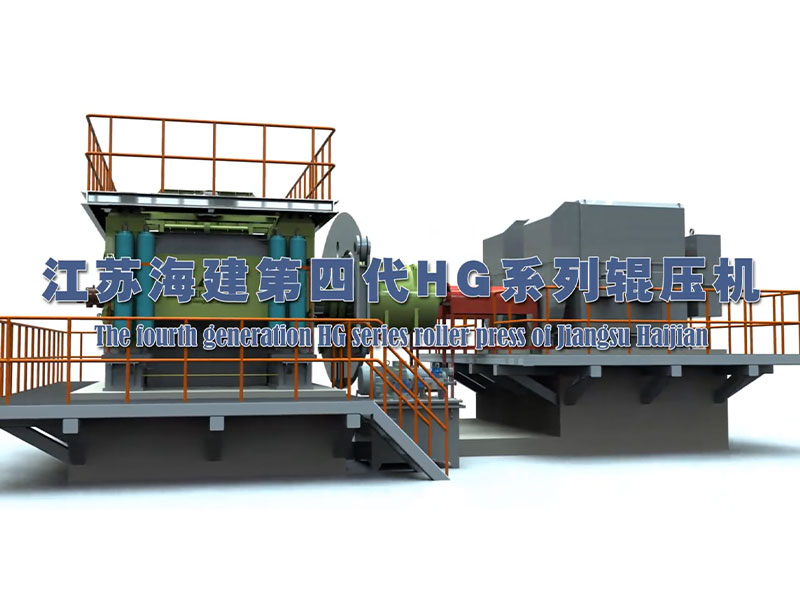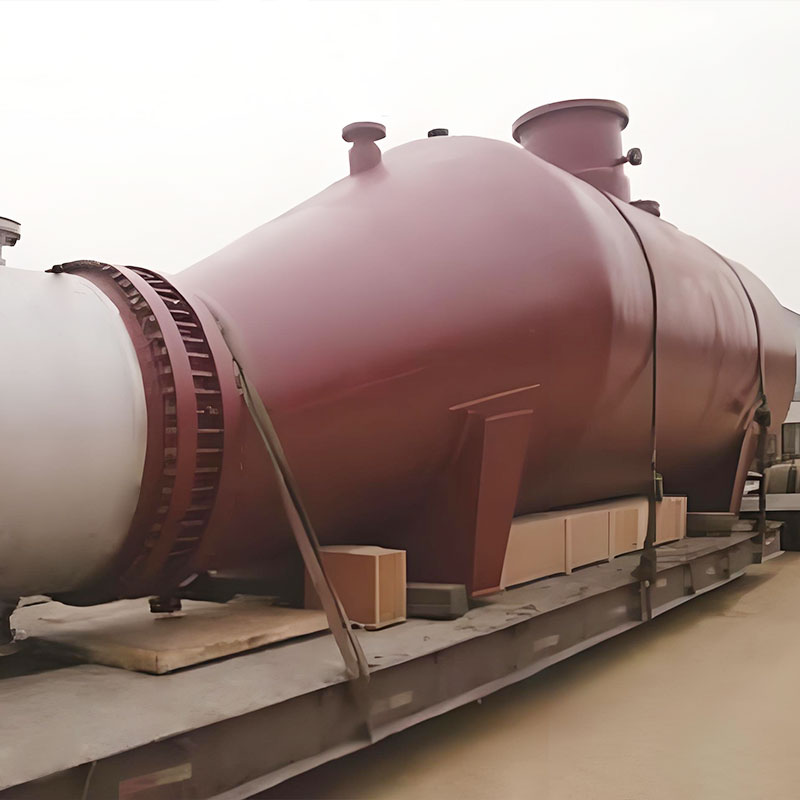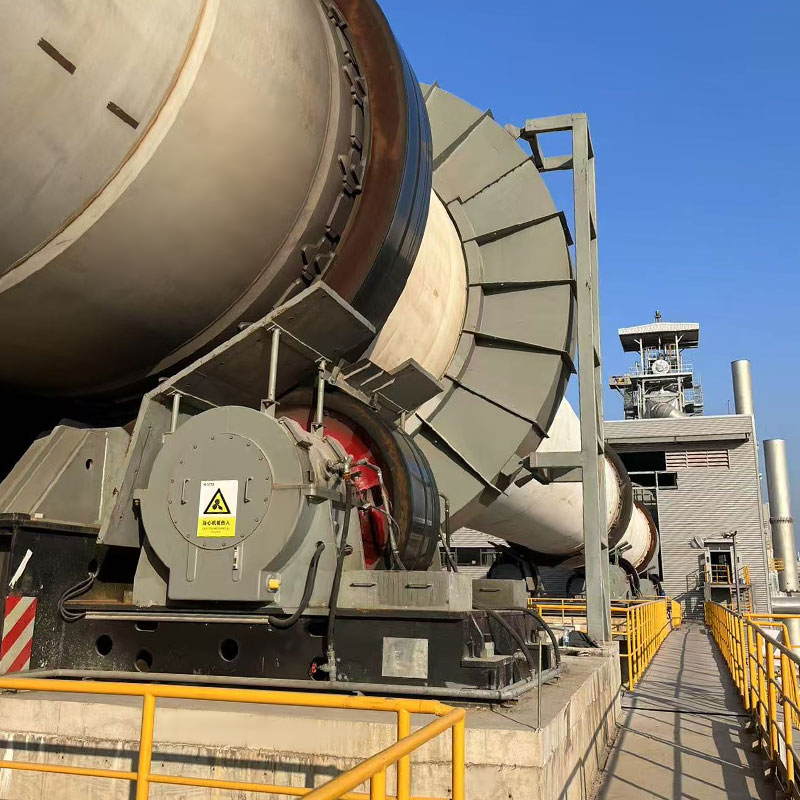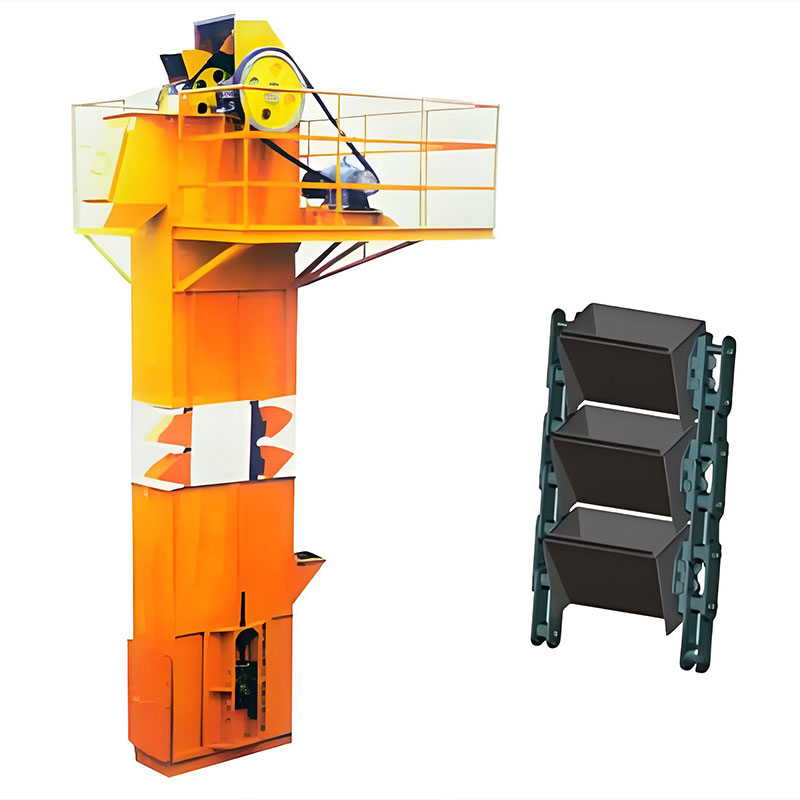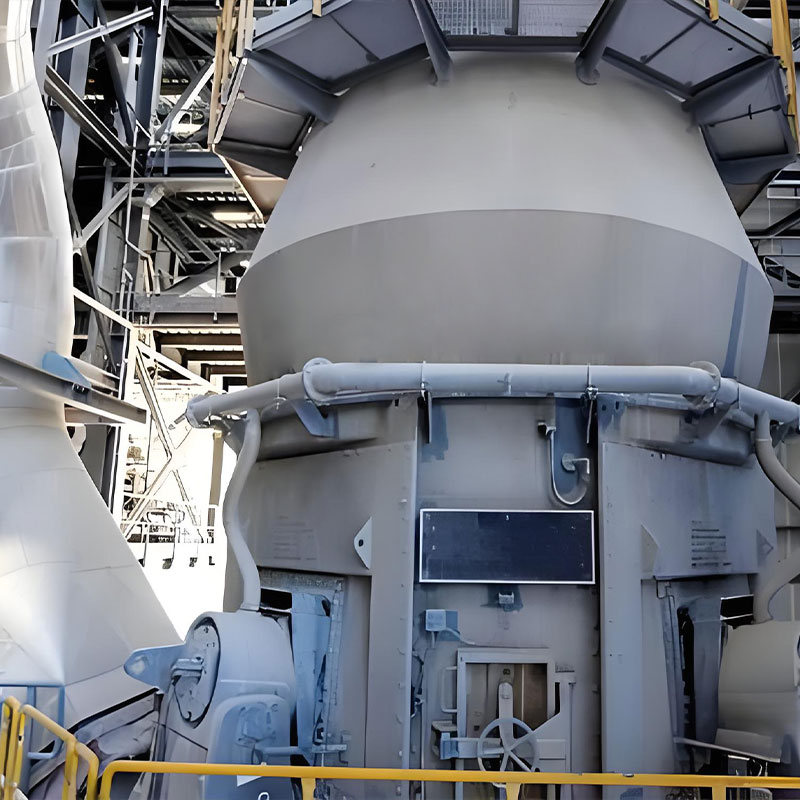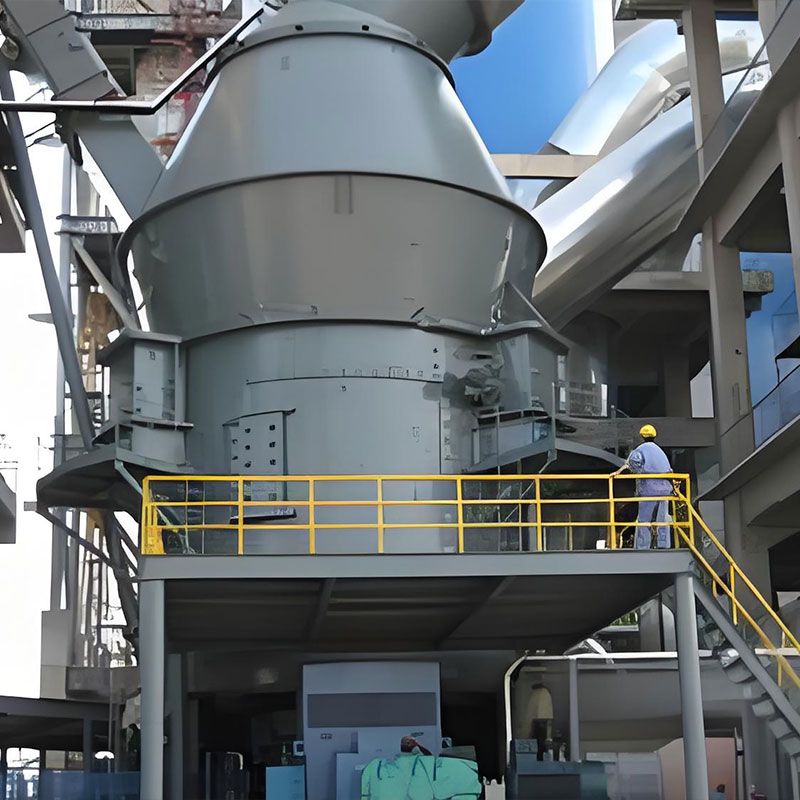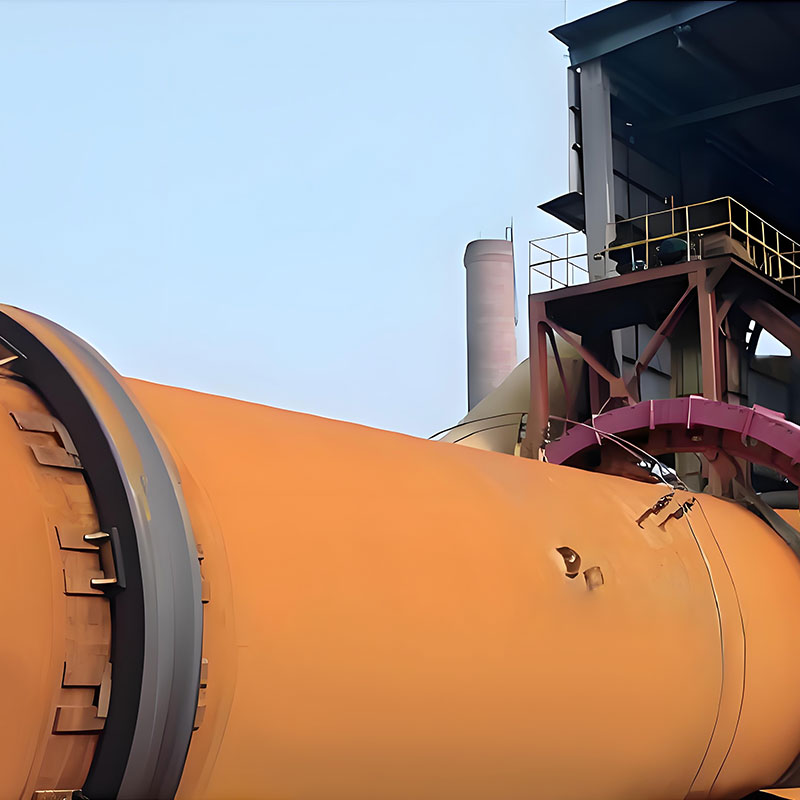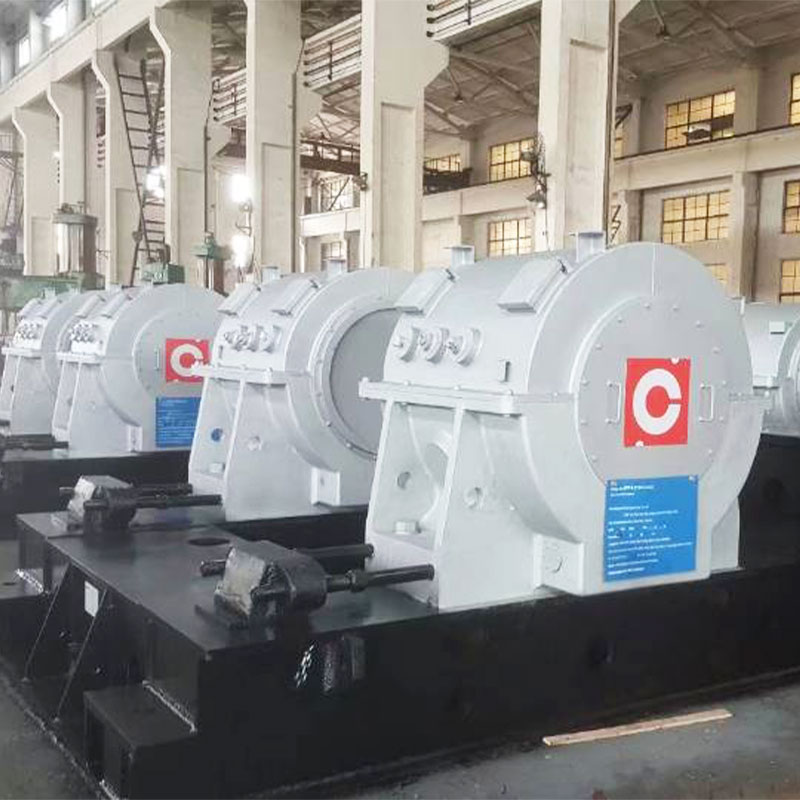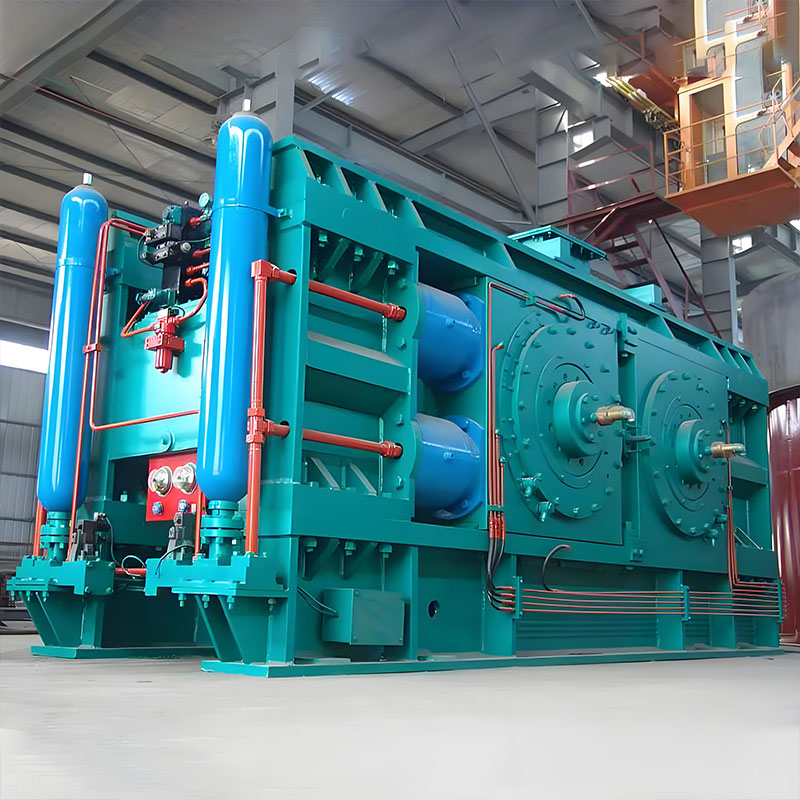
Quick Answer: What Are the Main Kinds of Cement? There are six major kinds of cement used in modern construction and industry: Ordinary Portland Cement (OPC), Portland Pozzolana Cement (PPC), Portland Slag Cement (PSC), Rapid Hardening Cement, Sulfate Resisting Cement, and White Cement. Each type is produced on a cement production line by adjusting the raw material ratio, grinding fineness, and clinker composition, which changes the setting time, strength development, and resistance to chemical attack. The kind of cement a project needs depends on three factors: the required strength grade, the environmental exposure (sulfates, seawater, high heat), and the construction schedule. Below, we break down each type, how it is manufactured, and how a well-configured cement production line makes multi-type production possible within a single plant. 1. Ordinary Portland Cement (OPC) — The Industry Baseline Ordinary Portland Cement accounts for the largest share of global cement consumption, commonly estimated at more than 70% of total cement output worldwide . OPC is made by calcining limestone, clay, and iron ore at roughly 1,450°C in a rotary kiln to form clinker, which is then ground with a small percentage of gypsum. It is graded by 28-day compressive strength, typically labeled 33, 43, or 53 in many national standards, referring to the minimum strength in megapascals (MPa). Where OPC Is Used General-purpose concrete for buildings, pavements, and precast elements Structural work that does not require special sulfate or chemical resistance Projects where fast, predictable strength gain is prioritized over low heat generation Because OPC is a high-volume product, plants running a standard cement production line — crushing, pre-homogenization, raw meal grinding, preheating, kiln calcination, cooling, and finish grinding — are typically optimized around this single cement type as the default output. 2. Blended Cements: PPC and PSC Blended cements replace a portion of clinker with industrial by-products, lowering both cost and the carbon footprint of production. The two most common blended kinds of cement are: Portland Pozzolana Cement (PPC) PPC blends clinker with fly ash or volcanic pozzolan, typically in a 15% to 35% replacement range . It produces lower heat of hydration, which makes it well suited to mass concrete pours such as dams and large foundations where cracking from heat build-up is a concern. Portland Slag Cement (PSC) PSC uses ground granulated blast furnace slag as a clinker substitute, often at 25% to 65% replacement depending on the standard applied. It offers strong resistance to chloride and sulfate attack, making it a preferred choice for marine structures, sewage systems, and coastal infrastructure. 3. Special-Purpose Cements Beyond the general-purpose categories, several kinds of cement are engineered for specific site conditions: Comparison of special-purpose cement types and their primary applications Cement Type Key Property Typical Use Case Rapid Hardening Cement Higher C3S content, finer grinding Road repair, precast units, cold-weather work Sulfate Resisting Cement Low C3A content (below 5%) Foundations in sulfate-rich soil, sewage plants Low Heat Cement Reduced C3S and C3A Dams, thick raft foundations, mass pours White Cement Low iron oxide raw materials Architectural finishes, decorative concrete Oil Well Cement Retarded setting under high pressure/temperature Well casing sealing in oil and gas extraction Producing these specialty grades requires precise control over raw meal chemistry and kiln temperature profile — a capability that depends heavily on the instrumentation and process design of the cement production line itself, not just the raw materials used. 4. How Cement Type Shapes Cement Production Line Design A cement production line is not a single fixed machine — it is a chain of process stages, and each stage can be adjusted to favor a particular cement type. The core stages are: Crushing: jaw crushers and impact crushers reduce limestone and other raw materials to a workable particle size Pre-homogenization: stacking and reclaiming systems even out chemical variation before grinding Raw meal grinding: vertical roller mills (VRM) or ball mills produce fine raw meal powder Preheating and calcination: a multi-stage cyclone preheater feeds a rotary kiln operating near 1,450°C Cooling: grate coolers rapidly cool clinker, locking in the desired mineral phases Finish grinding: clinker is combined with gypsum, slag, fly ash, or other additives depending on the target cement type The final grinding stage is where most kinds of cement actually diverge — the same clinker base can become OPC, PPC, or PSC depending on what is blended in and at what fineness the mill operates. This is why flexible finish-grinding capacity is one of the most valuable design choices in a modern cement production line. 5. Equipment That Determines Cement Quality and Type Flexibility Selecting the right equipment for a cement production line has a direct effect on which kinds of cement a plant can profitably produce. Key equipment groups include: Rotary kiln — the core thermal unit; kiln length, slope, and refractory lining affect clinker mineralogy and, in turn, which special cements can be produced Vertical roller mill (VRM) — used for raw material, coal, and slag grinding, offering lower energy consumption than traditional ball mills Roller press — pre-grinds clinker ahead of the ball mill, increasing throughput for blended cement finish grinding Preheater and grate cooler — control the thermal profile that determines free lime content and setting behavior Cement grinding station — a standalone finish-grinding facility that lets a plant produce several cement types from purchased or in-house clinker Jiangsu Haijian Co., Ltd. manufactures this full range of process equipment for cement production lines, including rotary kilns, vertical roller mills, roller presses, preheaters, and cement grinding stations, supporting both new dry-process plant construction and equipment upgrades for existing lines. Details on the full equipment range are available on the Cement Production Line product page. 6. Dry Process vs. Wet Process: Impact on Cement Type Economics Nearly all modern cement production lines use the dry process , where raw materials are ground into a dry powder before entering the preheater and kiln. Compared with the older wet process, dry-process lines typically consume significantly less thermal energy per ton of clinker , because no water needs to be evaporated before calcination. This efficiency matters directly for cement type strategy: lower energy cost per ton of clinker makes it economically viable to run smaller batches of specialty cements — such as sulfate resisting or low heat cement — without sacrificing the plant's overall margin on high-volume OPC production. 7. Choosing the Right Kind of Cement for Your Project Selecting among the available kinds of cement comes down to matching material properties to site conditions. A simple decision approach: Ask these three questions first Is the structure exposed to sulfates, seawater, or aggressive chemicals? If yes, PSC or Sulfate Resisting Cement should be considered. Is the pour large or thick, with a risk of thermal cracking? If yes, PPC or Low Heat Cement is generally preferred. Is the schedule tight, requiring early strength gain? If yes, Rapid Hardening Cement or high-grade OPC fits best. For most general construction without special exposure conditions, OPC 43 or OPC 53 grade remains the default, cost-effective choice , and it is the type most cement production lines are calibrated to produce at maximum output. 8. Maintaining Equipment Quality Across Multiple Cement Types Switching between kinds of cement on the same production line places extra demands on equipment, since abrasive additives like slag and fly ash accelerate wear on grinding components. Recommended maintenance practices include: Scheduling minor repairs of wear parts, such as mill liners and seals, every 1 to 3 months Conducting medium overhauls of the drive train, motors, and reducers every 6 to 12 months Performing a full overhaul of core equipment, including the rotary kiln and mills, every 3 to 5 years Inspecting kiln refractory lining regularly, since it directly affects clinker mineral phase consistency across cement types Consistent maintenance keeps a cement production line capable of producing multiple certified cement types without unplanned downtime, which is essential for plants that supply both general construction and specialty markets. Conclusion: Matching Cement Type to Production Capability Understanding the different kinds of cement — OPC, PPC, PSC, and the specialty grades — helps engineers and buyers select the right material for structural, chemical, and scheduling requirements. Just as important is recognizing that every cement type ultimately depends on the design and flexibility of the cement production line that makes it . Plants equipped with modern rotary kilns, vertical roller mills, roller presses, and dedicated cement grinding stations are far better positioned to serve diverse markets without compromising quality. Jiangsu Haijian Co., Ltd. supplies process equipment across the full cement production line, from crushing and pre-homogenization through kiln calcination and finish grinding, supporting cement producers who need to manufacture multiple cement types reliably and efficiently.